
Our Blog
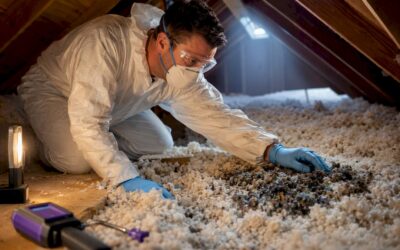
If you spot mold on attic insulation, stop disturbing it and figure out the size of the problem before you touch anything else. Wet, porous insulation like fiberglass or cellulose usually needs to come out rather than get cleaned. If the affected area is close to or...
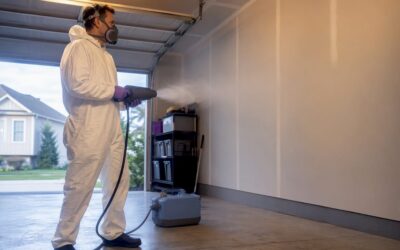
If the moldy patch in your garage is smaller than about 10 square feet, dry, and not tied to sewage or contaminated water, you can usually clean it yourself. Anything bigger, recurring, or connected to your HVAC system needs a professional. Right now: close the door...
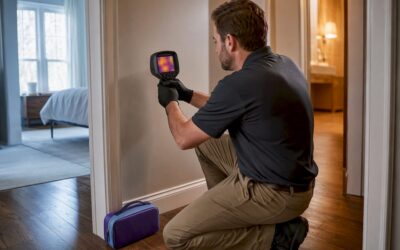
Most residential mold remediation jobs run 1 to 5 days of active work on-site. Total calendar time, once you count drying, lab verification, and any reconstruction, typically stretches from a few days to several weeks. Where your job lands on that spectrum depends on...
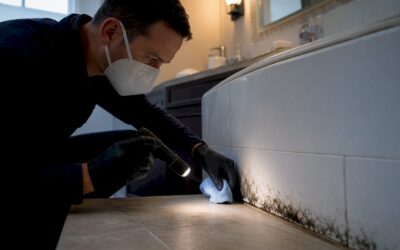
Professional bathroom mold remediation typically runs between $1,200 and $3,750, though small surface jobs can cost just a few hundred dollars and hidden or structural cases can climb past $5,000. The single biggest swing factor is what’s happening behind the tile,...
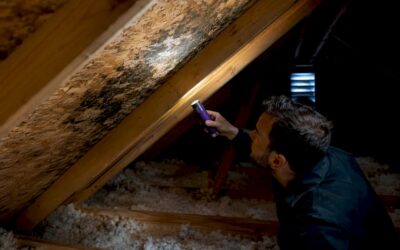
Attic mold remediation typically costs $1,500 to $6,000, or roughly $3 to $10 per square foot for standard cleanup work. The number that actually determines your final bill isn’t the mold itself. It’s whether your insulation has to come out. Contaminated insulation...
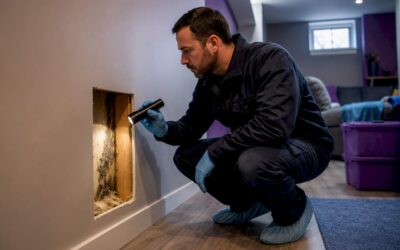
Most basement mold jobs run $1,500 to $6,000 for a partial infestation, and $6,000 to $15,000 or more for whole-basement or severe cases, with contractors typically charging $10 to $30 per square foot depending on scope. Your final number depends heavily on square...
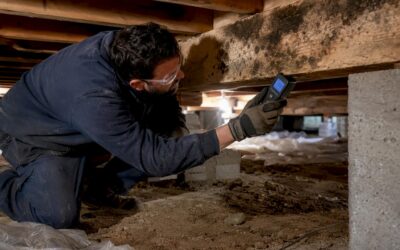
Crawl space mold remediation costs typically range from a few hundred dollars for basic removal to several thousand dollars for remediation with a vapor barrier, and can be higher for full encapsulation with drainage and a dehumidifier. Most contractors price by the...
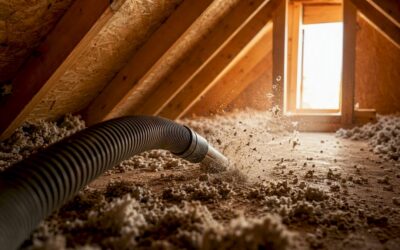
A clean attic insulation removal typically runs $1 to $2 per square foot, which puts most jobs somewhere between $600 and $3,600 depending on square footage. Angi’s national data puts the average closer to $900, with a normal range of $600 to $1,200 for...
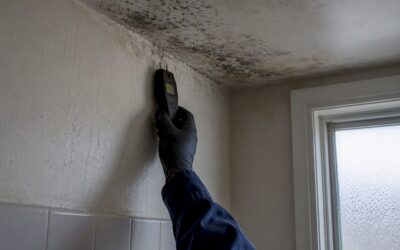
Don’t walk away yet. If mold shows up on your inspection report, preserve your contingency deadline, document exactly what was found, and order a targeted moisture assessment before you decide anything. Most mold findings during a home inspection are negotiable, not...
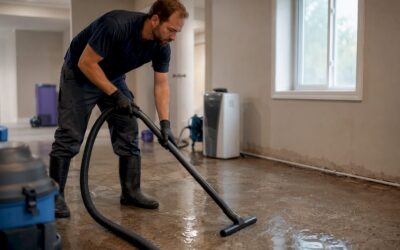
Water damage restoration costs typically fall within a moderate range for standard residential events, while major flooding incidents can cost substantially more, according to FloodReady’s cost data. Mitigation alone runs roughly $3 to $7.50 per square foot, and the...
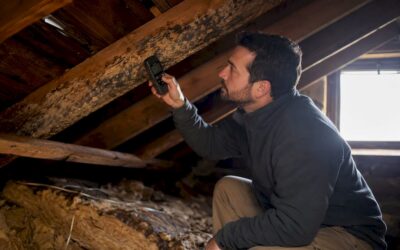
Yes. Rural homes face elevated mold risk, mainly because of older housing stock, private wells and septic systems, and basements that trap moisture longer than city foundations do. The fix isn’t complicated, but it is time-sensitive: control moisture at the source and...
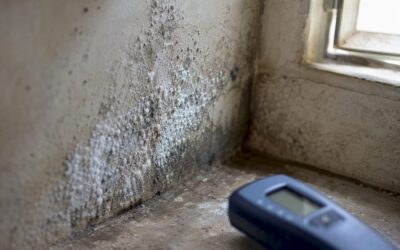
White mold is not one species. It’s a catch-all term for fungal growth that looks white, gray, or off-white, and it shows up on drywall, wood, fabric, and masonry across basements, attics, and bathrooms. If you’re looking at a fuzzy, powdery, or persistent white...