by wpusername9205 | Jun 30, 2026 | Uncategorized
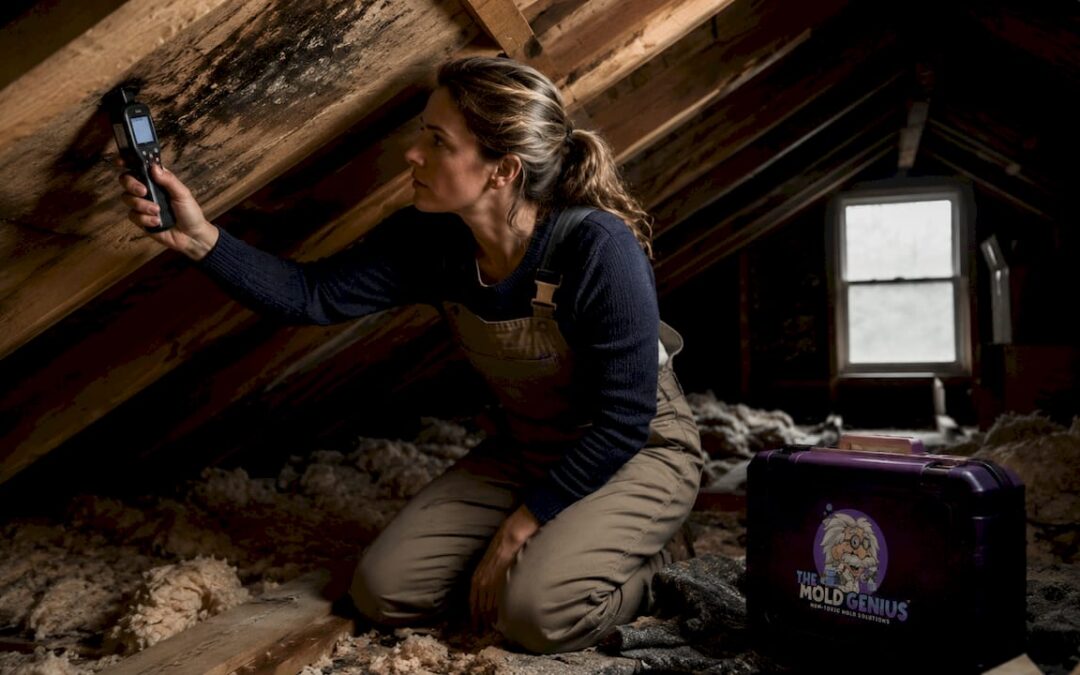
Mold spreads through your home by releasing microscopic spores that travel through air, water, and physical contact, landing on damp surfaces where they germinate into new colonies. Understanding how mold spreads through home environments is the first step to stopping...

by wpusername9205 | Jun 29, 2026 | Uncategorized
Mold remediation is defined as a contamination control and moisture management process, not simply scrubbing visible growth off a wall. The EPA sets 10 square feet as the threshold above which professional remediation is required, and any mold on porous materials like...

by wpusername9205 | Jun 26, 2026 | Uncategorized
Mold test results are defined as laboratory reports showing indoor mold spore concentrations, mold genera, and how those levels compare to outdoor air samples. Knowing how to read mold test results correctly is what separates a homeowner who takes the right action...
by wpusername9205 | Jun 25, 2026 | Uncategorized
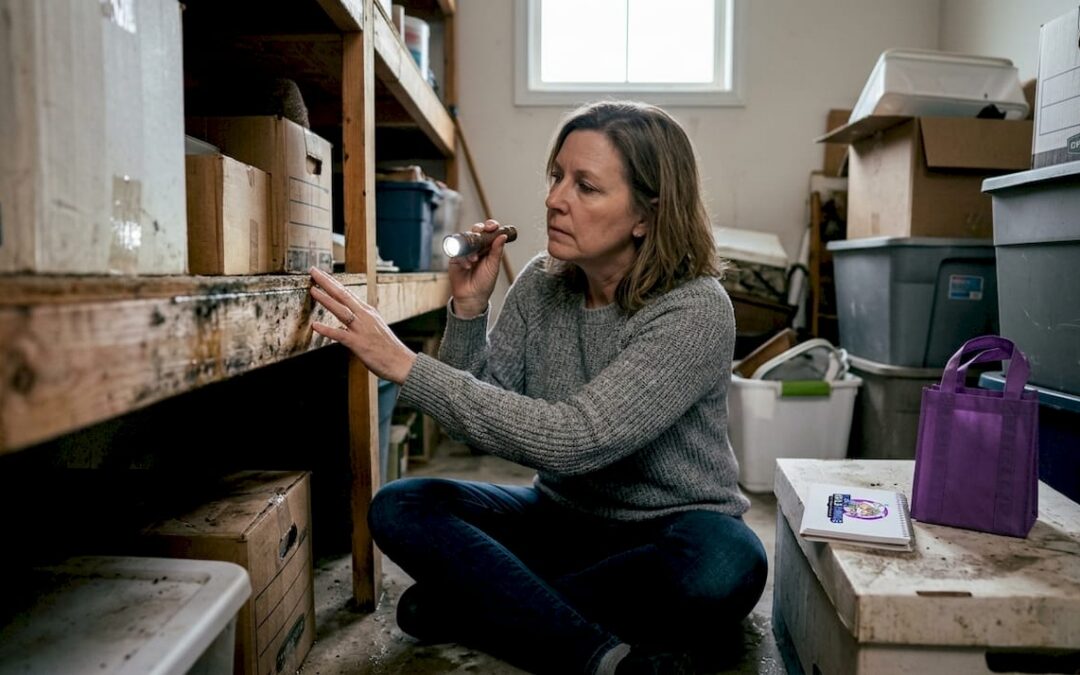
Mold growth is defined as the colonization of surfaces by fungal spores when moisture, organic material, and temperatures between 40°F and 100°F are present simultaneously. The EPA recommends keeping indoor relative humidity between 30% and 50% as the primary defense...
by wpusername9205 | Jun 24, 2026 | Uncategorized
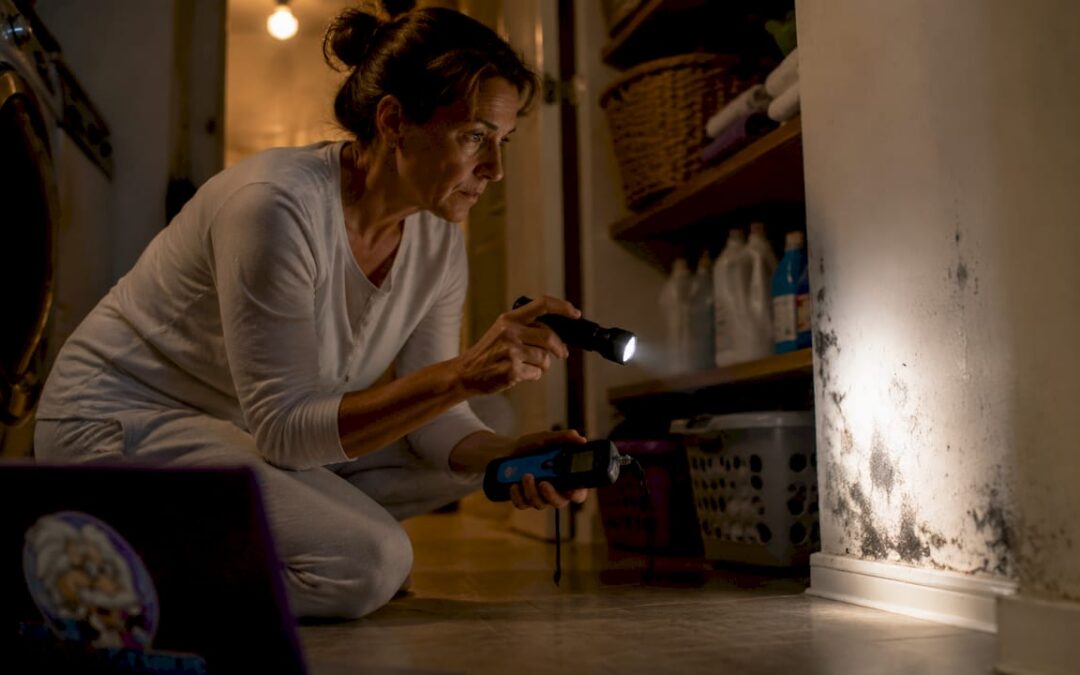
Black mold is defined as a fungal growth, most commonly the species Stachybotrys chartarum, that colonizes damp, cellulose-rich building materials like drywall, wood, and paper. The term “black mold” is not a scientific classification. It is a popular label applied to...
by wpusername9205 | Jun 23, 2026 | Uncategorized
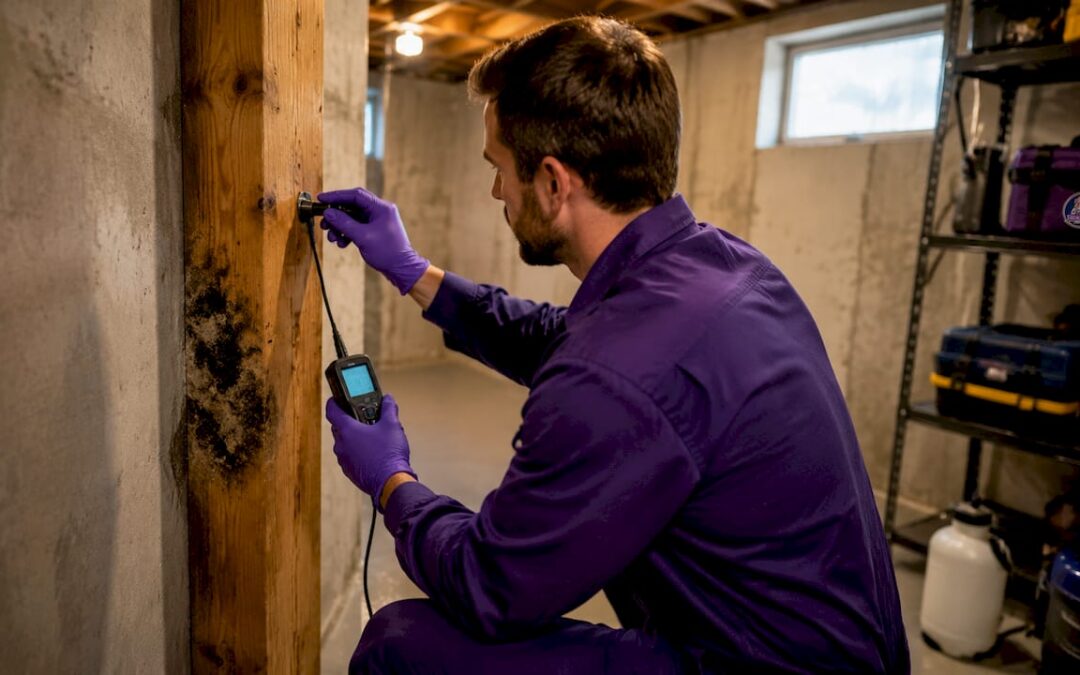
Effective mold treatment requires eliminating the underlying moisture source, not just scrubbing visible growth off a wall. This is the central principle behind professional mold remediation, and it is the reason why mold keeps returning for so many homeowners who try...
by wpusername9205 | Jun 22, 2026 | Uncategorized
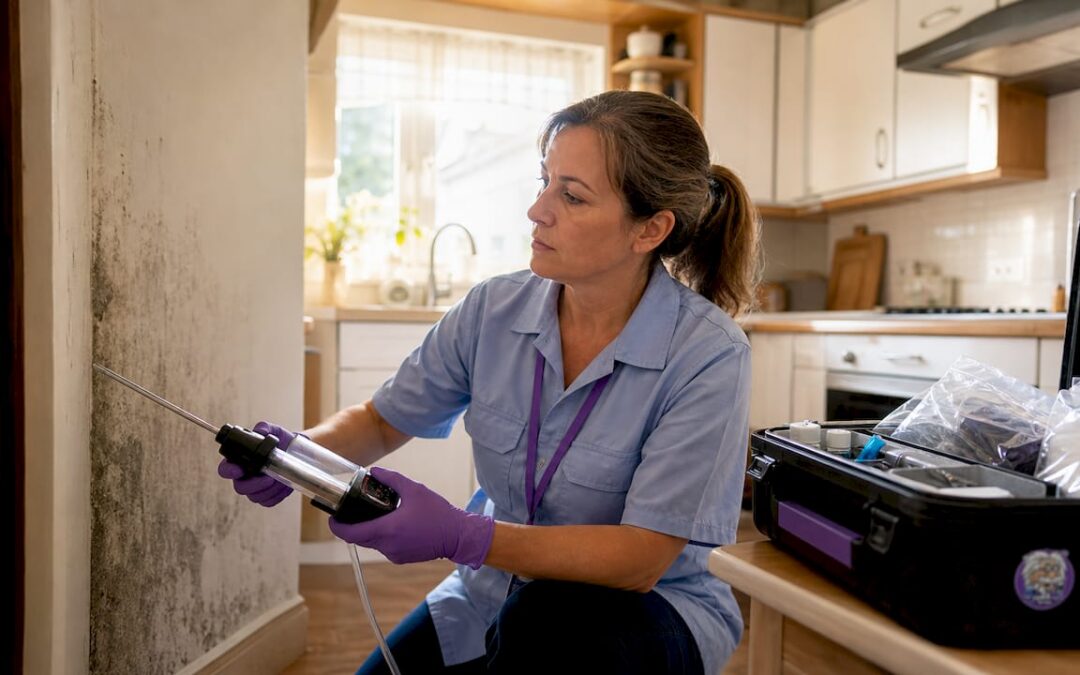
Professional mold testing is the process of using specialized equipment and expert analysis to detect and identify mold growth, including hidden mold you cannot see or smell. A visual check alone misses mold behind drywall, above insulation, and inside HVAC systems....
by wpusername9205 | Jun 19, 2026 | Uncategorized
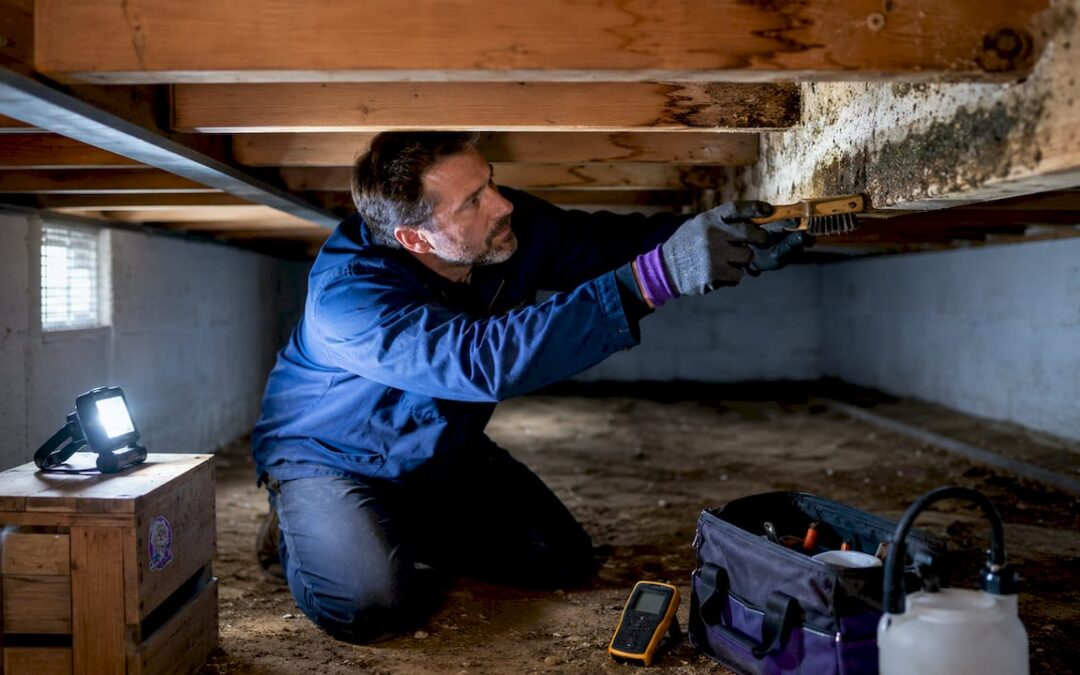
Crawlspace mold is treated through three steps: physical removal of mold-infested materials, correction of the moisture source driving growth, and verification that the environment stays dry long-term. Skip any one of those steps and the mold comes back. An exposed...
by wpusername9205 | Jun 18, 2026 | Uncategorized
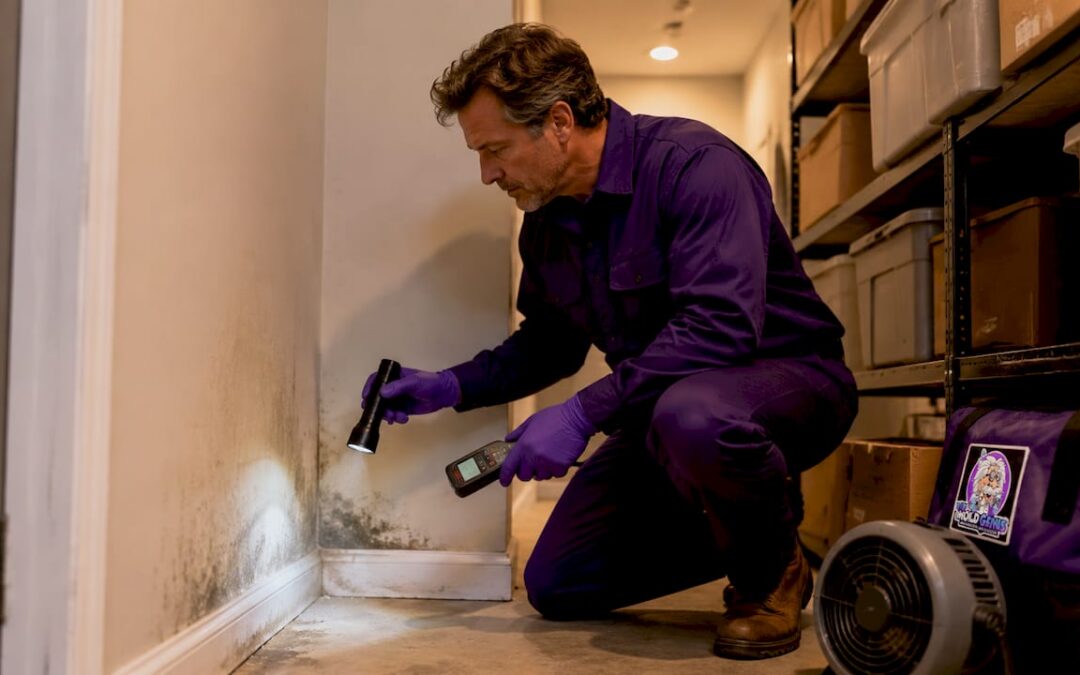
Mold remediation is defined as a professional, multi-step process that eliminates mold, corrects the moisture source, and verifies safe air quality. Mold removal, by contrast, is surface-level cleaning of visible mold only. Understanding the mold remediation vs mold...
by wpusername9205 | Jun 17, 2026 | Uncategorized
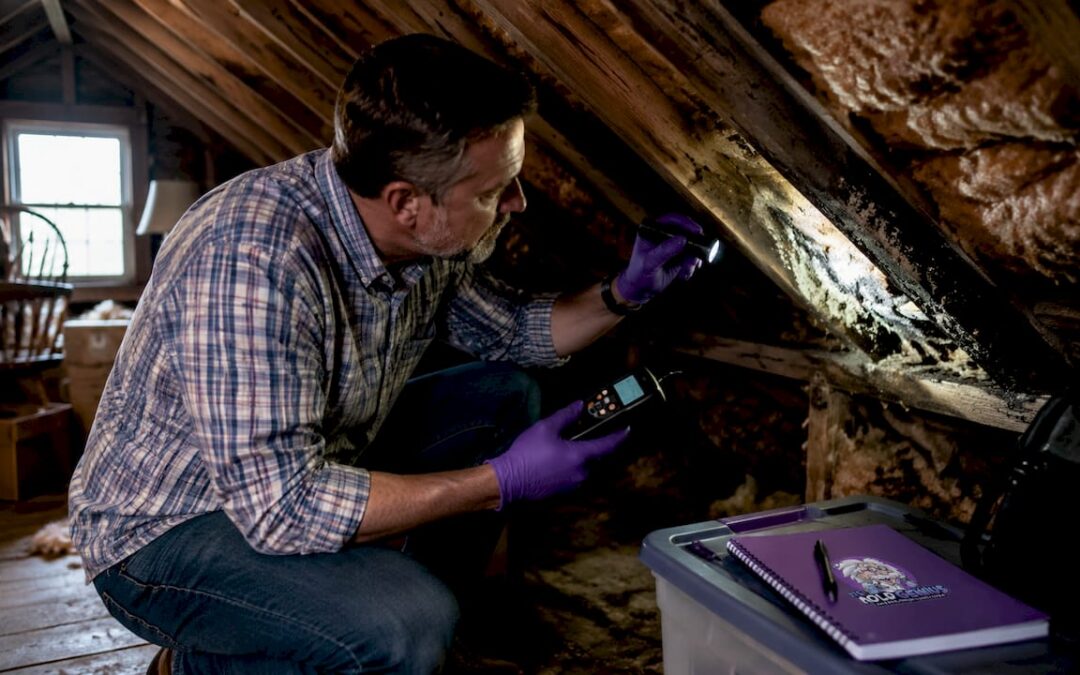
Mold recurrence is defined as the regrowth of mold colonies after cleaning because the underlying moisture source was never eliminated. Scrubbing visible mold off a bathroom wall or basement ceiling feels like a win. But if the conditions that fed that mold are still...
