by wpusername9205 | Jul 28, 2026 | Uncategorized
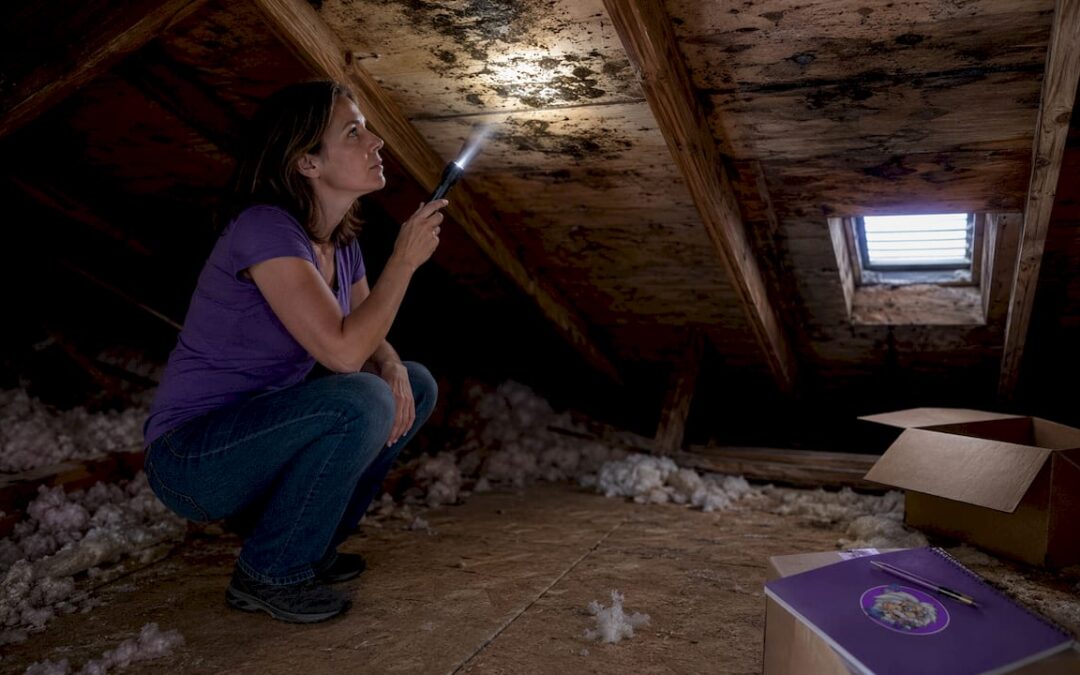
The four genera homeowners most often find in attics are Cladosporium, Penicillium, Aspergillus, and (when moisture has been sitting for a long time) Stachybotrys. Each one looks different, grows on different materials, and does a different level of damage. The...
by wpusername9205 | Jul 27, 2026 | Uncategorized
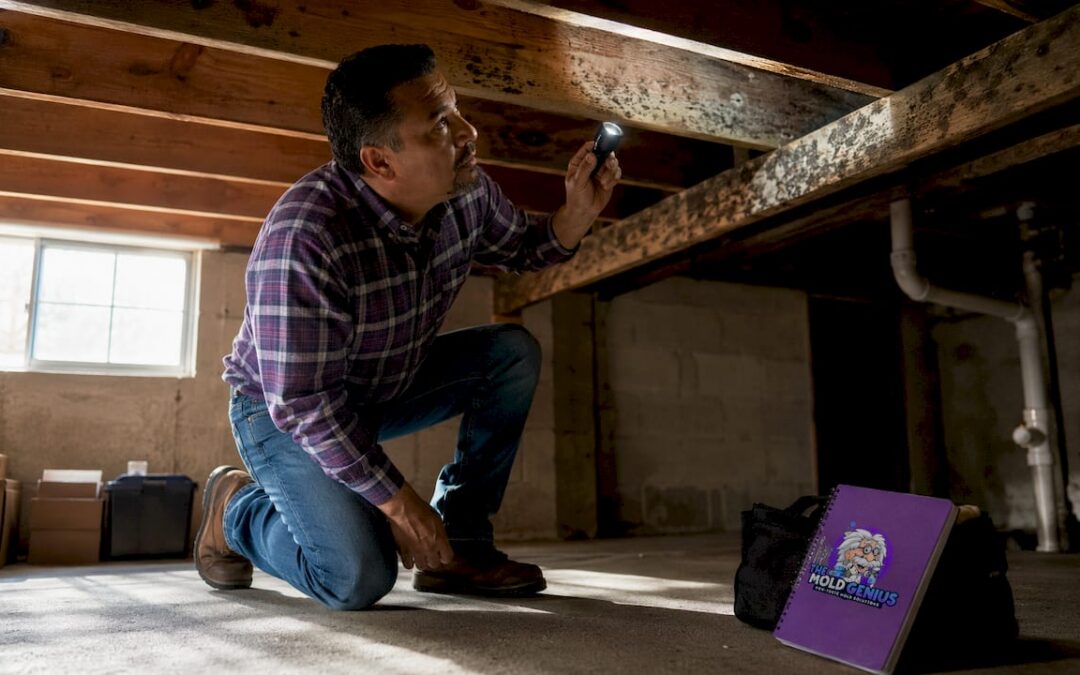
Hidden mold is mold growth that isn’t immediately visible because it’s growing behind or beneath building materials — the back of drywall, under carpet padding, inside wall cavities around leaking pipes, or above ceiling tiles. You can’t see it, but it’s actively...

by wpusername9205 | Jul 24, 2026 | Uncategorized
What is a mold spore, exactly? Mold spores are the microscopic reproductive cells that fungi produce to spread and multiply. Think of them like seeds, except far smaller and far more mobile. The EPA notes that spores range from 2–100 microns in diameter, which means...
by wpusername9205 | Jul 23, 2026 | Uncategorized
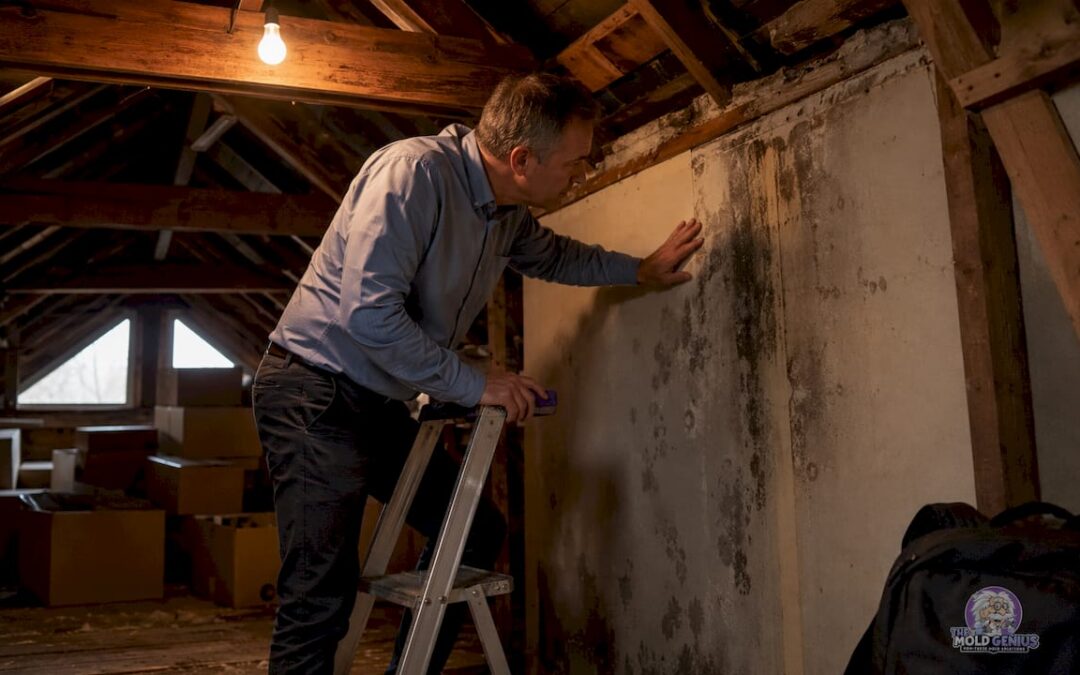
Moisture is the single reason mold grows inside your home. Mold spores are everywhere, indoors and out, floating through the air right now. They stay dormant on dry surfaces indefinitely. The moment they land somewhere wet, with an organic material underneath, they...

by wpusername9205 | Jul 22, 2026 | Uncategorized
How ventilation controls mold by managing indoor moisture Ventilation is the single most practical tool homeowners have for keeping mold out of their homes. It works by exchanging stale, moisture-laden indoor air with drier outdoor air, which directly lowers the...
by wpusername9205 | Jul 21, 2026 | Uncategorized
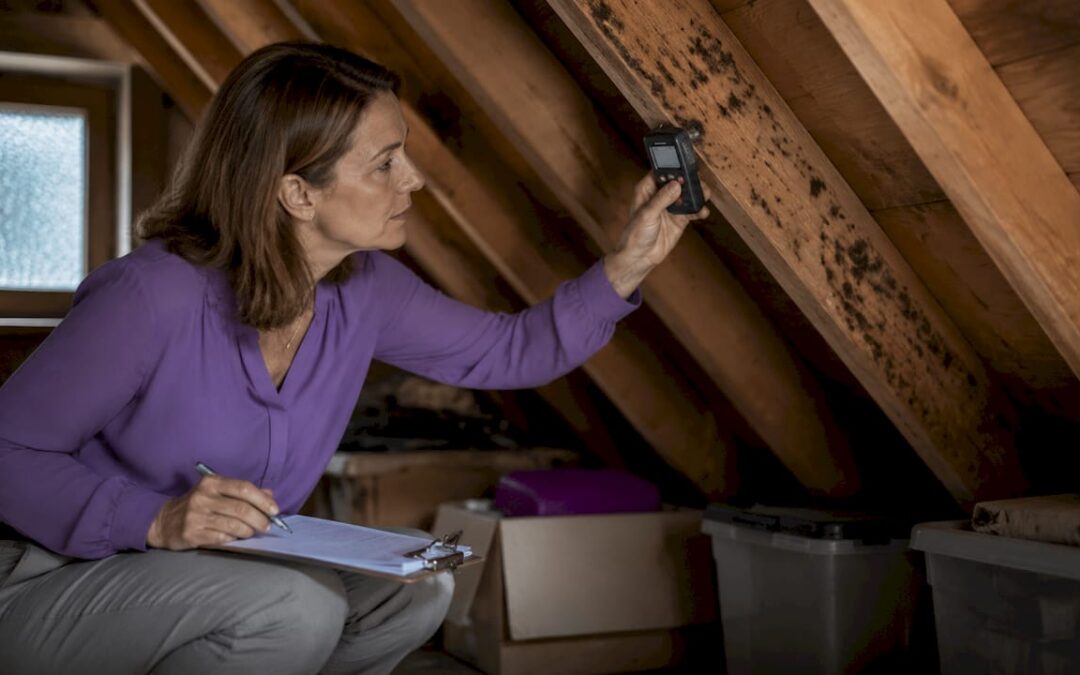
Insurance adjusters assess mold by methodically inspecting your property, measuring moisture levels with calibrated instruments, and reviewing laboratory test results to determine whether your policy covers the damage. The process is more scientific than most...
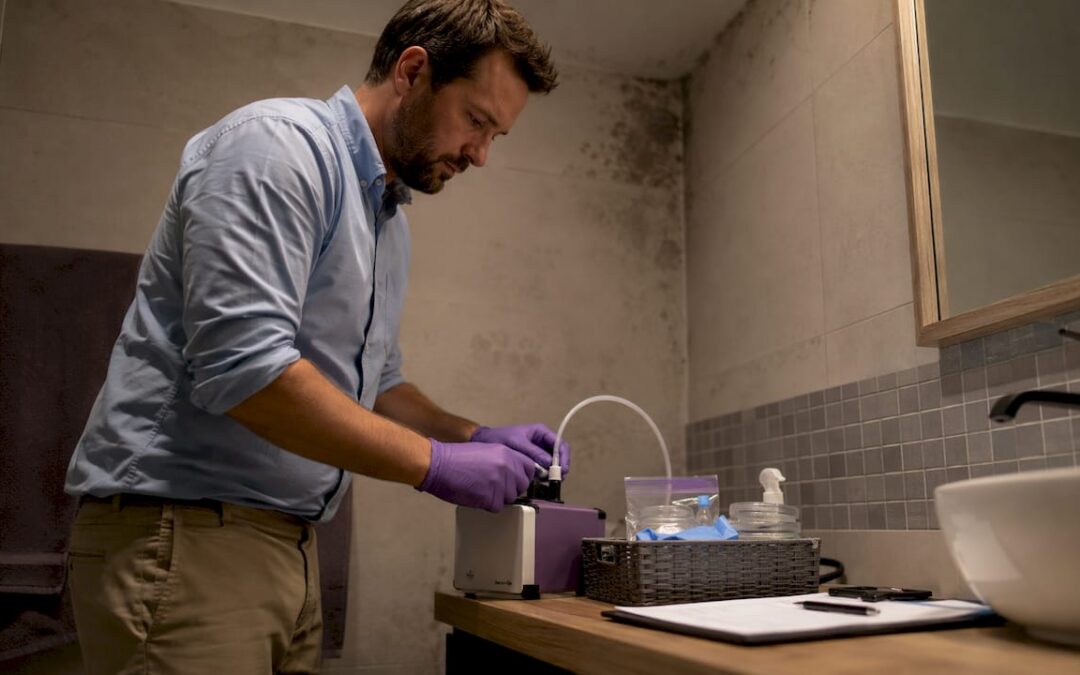
by wpusername9205 | Jul 20, 2026 | Uncategorized
Mold testing is defined as the collection and laboratory analysis of air, surface, or dust samples to identify mold species and measure their concentration in a home. When you have a musty smell, unexplained allergy symptoms, or a history of water damage, knowing...
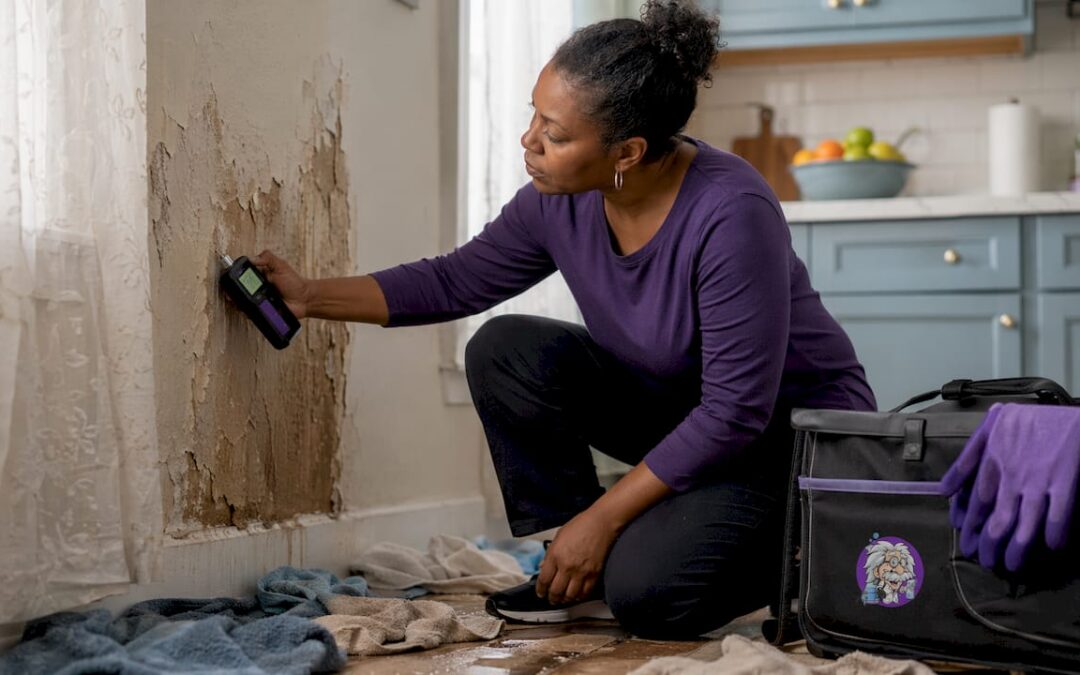
by wpusername9205 | Jul 17, 2026 | Uncategorized
Storm damage causes mold by saturating porous building materials with moisture, which triggers mold spore germination in as little as 24 to 48 hours. The EPA classifies this as one of the fastest-developing post-disaster health risks in residential properties....

by wpusername9205 | Jul 16, 2026 | Uncategorized
The mold inspection thermal imaging process is defined as the use of infrared cameras to detect surface temperature variations that reveal hidden moisture, the primary condition for mold growth. Thermal imaging does not see inside walls, but it maps where moisture is...
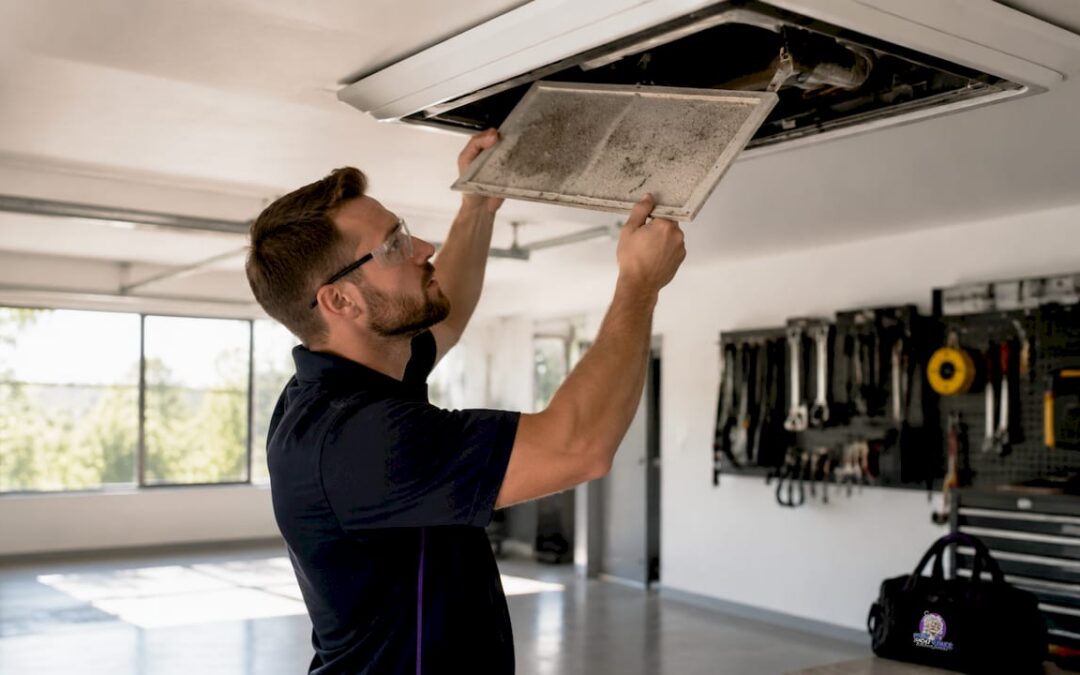
by wpusername9205 | Jul 15, 2026 | Uncategorized
Mold in HVAC systems is defined as fungal growth that develops inside heating, ventilation, and air conditioning components when moisture accumulates and airflow is inadequate. The industry term for this condition is “HVAC microbial contamination,” though most...
